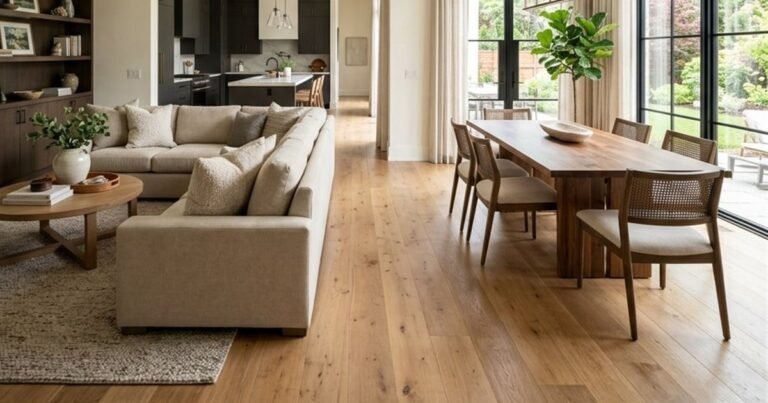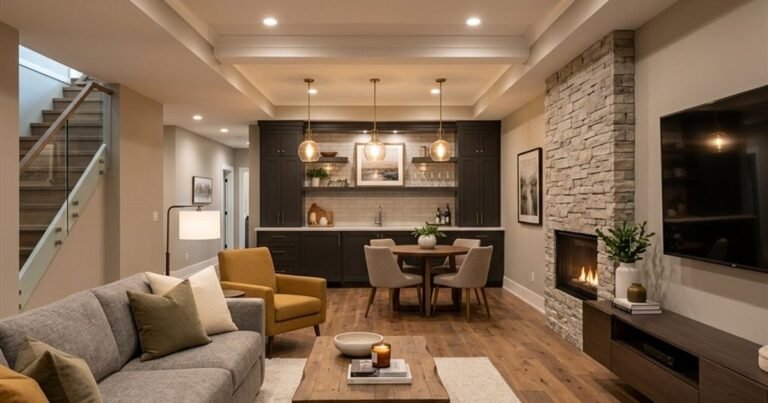
A home gym basement renovation in Brampton or Mississauga is one of the more satisfying projects because the design criteria are so clear: you need floor that takes abuse, headroom to move, air that does not feel stale, and a ceiling that keeps the noise from rattling the kitchen. The concrete slab and quiet location are on your side. The details below are what separate a gym you use every week from an expensive storage room.
Home gym basement renovation in Brampton: start with your routine
A yoga and cardio room is a different build from a lifting space with a barbell. Write down your equipment list before you design anything: treadmill, bike, rack, bench, dumbbells, cable machine, rower, boxing bag. Then note which items need overhead clearance, which need a dedicated outlet, and which are heavy or noisy.
Sketch the floor to scale with equipment and a clear zone around each piece. A rack needs room to load and unload plates, and a rower needs length. Leave a walking path to the door that never crosses a barbell zone. Most disappointing home gyms fail because the layout was decided after the equipment arrived.
Ceiling height for lifting
Basement ceilings are often the limiting factor. For overhead pressing, pull-ups or kettlebell swings, stand with your arms raised holding a bar or the equivalent and measure that height, then add margin for the ceiling finish and lighting. A bulkhead hiding ducts directly above a rack can make the whole space unusable for lifting.
Before framing, locate ducts, beams and drain lines and decide where the tall zone will be. Sometimes the best answer is to leave the ceiling open and painted in the lifting area, with a finished ceiling elsewhere. Another option is to reroute a duct while the joists are exposed. If you are also thinking about a legal suite on the same level, remember that the generally accepted minimum ceiling height for a secondary suite is 1.95 m (6 ft 5 in), a lower figure than most lifters want.
Flooring that survives dropped weights
Rubber is the gym standard because it absorbs impact and protects the slab. Rolls and interlocking tiles are common, and dense mats under the lifting area are worth the money if you drop weights. For stretching and bodyweight zones, a lighter cushioned floor is fine.
- Check the slab for moisture before covering it, since rubber can trap dampness.
- Use a vapour-friendly underlayment where the manufacturer calls for it.
- Avoid hard tile or laminate in lifting zones, where a dropped plate can crack it.
- Do not place heavy equipment on floating floors that were never meant for point loads.
Sound control that actually works
Basements are good at turning thuds into house-wide vibration. Mass, decoupling and absorption all help. Insulate the ceiling cavity with acoustic batts, use resilient channel or a similar decoupling method under drywall, and seal gaps and penetrations, because sound leaks like water. A solid-core door with a tight seal does more than a hollow one.
Impact noise is the hard part. The best defence is thick rubber flooring in the drop zone, and if you are dropping heavy weights regularly, discuss a thicker platform with your contractor. Lower-level music is easier to manage than weights, but speakers should be mounted with isolation so they do not drive the framing.
Ventilation, heat and humidity
Exercise adds humidity fast. A gym without ventilation will feel clammy, and that moisture ends up on mirrors, cold walls and equipment. Tell your contractor you want a gym, so the heating and cooling design includes supply and return air, and ask about an exhaust or heat-recovery approach that suits your home. A ceiling fan helps circulation but does not replace fresh air. A dehumidifier is a useful backup in summer.
Lighting should be bright and even, with fixtures placed away from the barbell path and equipment swing zones. Use dimmable fixtures if you want the same room for stretching and a workout, and consider adding a few wall-mounted sconces so shadows do not form behind you.
Mirrors, power and finishing touches
Mirrors should be safety-backed or tempered and anchored to solid blocking in the walls, not just stuck to drywall. Ask your contractor to add wood blocking during framing for mirrors, TV mounts, cable attachments and wall-mounted racks. It costs little at that stage and is painful to retrofit.
For power, treadmills and some other machines are better on dedicated circuits, and a separate circuit for outlets and lighting keeps the breaker from tripping mid-set. How many circuits you need, and how they must be installed, follow the Ontario Building Code and electrical safety requirements, so your electrician should confirm. Our work across Brampton basement renovations and Mississauga basement renovations includes planning this at the framing stage. Our general basement renovation page shows how a gym fits into a wider finish.
As a typical range, a recreational basement finish costs about $35,000-$65,000 depending on size and scope, though every home differs and a site visit is the best way to get an accurate figure.
Frequently Asked Questions
Do you need a permit for a basement gym?
Not for moving equipment in, but framing, electrical changes and new ductwork may need permits. Confirm with the City of Brampton or the City of Mississauga.
What is the best flooring for a home gym on a concrete slab?
Rubber flooring is the usual choice for lifting and cardio areas. Check the slab for moisture first and choose thickness based on how heavy your equipment is.
Can you add a bathroom or sauna later?
Yes, if you rough in plumbing and power during the build. Planning a shower drain location now is far cheaper than cutting the slab later.
Will the gym be too loud for the rest of the house?
It does not have to be. Acoustic insulation, decoupled drywall, sealed gaps and heavy rubber flooring reduce most noise.
If you are planning a home gym basement renovation in Brampton or Mississauga, call us at 647-914-2150 or book a free site visit. GoGajic Construction, 131 Minerva Ave, Toronto, will measure the headroom, check the slab and help you lay out a gym you will use.