Finding a renovation contractor North York homeowners can rely on is easier when you first decide what kind of project you are hiring for. A kitchen in a bungalow, a bathroom in a condo and a basement in a semi are three different jobs with different risks, and the questions that matter change with each. Use the checklist below to organize your thinking, whichever one you are facing.
Step one: Identify the type of home you are working in
North York includes many older detached houses and bungalows, semis and townhomes, and a large number of condominium buildings. That mix matters for hiring.
In a house, you control the whole structure, so permits, engineering and access to plumbing are your responsibility. In a condominium, you also need approval from the corporation, access to elevators and loading areas, and compliance with rules on working hours, noise and floor protection. Some buildings require specific insurance documents or deposits from the contractor. Ask the property manager for the renovation rules before you collect quotes, then share them with every contractor so they are all pricing the same constraints.
Step two: Decide the scope by room
Different rooms call for different checks. Use these as prompts when you interview contractors.
Kitchens
Ask about cabinet sourcing and lead times, counter templating, appliance coordination, and who handles plumbing, gas and electrical. If walls are changing, ask how the structure will be assessed. Our page on kitchen renovation in North York shows the kind of work involved. As a typical range, a kitchen costs about $25,000-$65,000.
Bathrooms
Ask how they waterproof showers and how they test, who handles the plumbing, and what happens if rot or old piping appears. See also our bathroom renovation in North York page. Typical ranges are about $8,000-$15,000 for a powder room, $18,000-$35,000 for a main bathroom and $28,000-$55,000 for an ensuite.
Basements
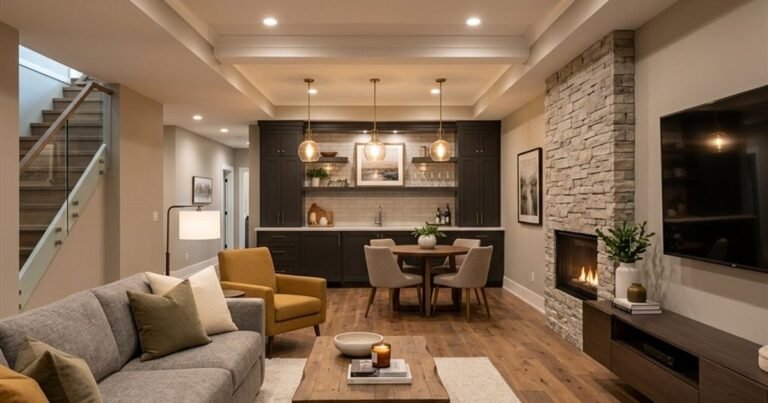
Ask about moisture control, ceiling height, permits and drawings, and whether the contractor can handle a second suite if you want one. A recreational basement finish typically runs about $35,000-$65,000, and a legal basement suite without underpinning about $65,000-$100,000.
All of these figures are typical ranges only. Every home differs, and the best number comes from a site visit.
Step three: Compare quotes properly
Ask for at least three itemized quotes based on the same brief. When you compare them, look past the total:
- Does each quote list the same rooms, materials and trades?
- Are allowances for tile, cabinets, fixtures and flooring clearly stated?
- Are permits, drawings and engineering included, and who is responsible for them?
- Is demolition, disposal and cleanup included?
- Is there a contingency or a defined change-order process?
The cheapest quote is often cheapest because something is missing. The most expensive may be the only honest one. Ask each contractor to explain any line that differs from the others, and you will learn a lot from how they answer.
Step four: Check the schedule, not just the start date
Everyone can start in two weeks. The question is what the plan looks like after that. Ask for a sequence of work with approximate durations, including when materials are ordered, when inspections occur and how long the space will be out of use. A kitchen with no countertop for weeks or a bathroom that is your only one needs a realistic plan for the household.
Ask what could change the schedule: back-ordered products, surprises behind walls, permit review time or trades being delayed. A contractor who names the risks up front is more trustworthy than one who promises a perfect schedule.
Step five: Ask about communication
Many renovation frustrations come from silence, not workmanship. Before you sign, agree on how you will communicate. Who is your day-to-day contact? How often will there be a walk-through? How are decisions and changes recorded, and how fast will questions be answered? A simple routine, such as a short weekly summary and a written record of every change, keeps small issues from turning into disputes.
Also ask who will actually be on site. We run an in-house trades team, but whatever contractor you choose, you should know which trades will be working in your home and how they are supervised.
Step six: Put your renovation contractor North York agreement in writing
A written contract should state the scope, the price, the payment schedule, the timeline, the warranty and how changes are handled. Payments should follow completed stages. For permits, ask which ones apply and who will apply for them; the City of Toronto building department can confirm current requirements for your project, and for condos you will need building management’s sign-off as well. Our renovation contractor in North York page explains how we handle this.
Frequently Asked Questions
Is it better to hire one contractor for several rooms?
Often yes, since coordinating one team is easier and mobilization is shared. It also gives you a single point of accountability.
Is it possible to stay in the home during renovations?
Usually, for single-room projects with a plan for dust and temporary facilities. For whole-floor or whole-house work, many families move out.
Do condo renovations need a permit?
It depends on the work and the building. Plumbing, electrical and structural changes can need approvals from both the City and the condominium corporation, so ask both.
How early should contractors be contacted?
As soon as your scope is clear. Good contractors book ahead, and materials such as custom cabinets take time to arrive.
If you want a plain conversation about your project, call us at 647-914-2150 or book a free site visit. GoGajic Construction, 131 Minerva Ave, Toronto, will review the space, explain what is involved and help you choose the right renovation contractor North York homeowners need for the job.