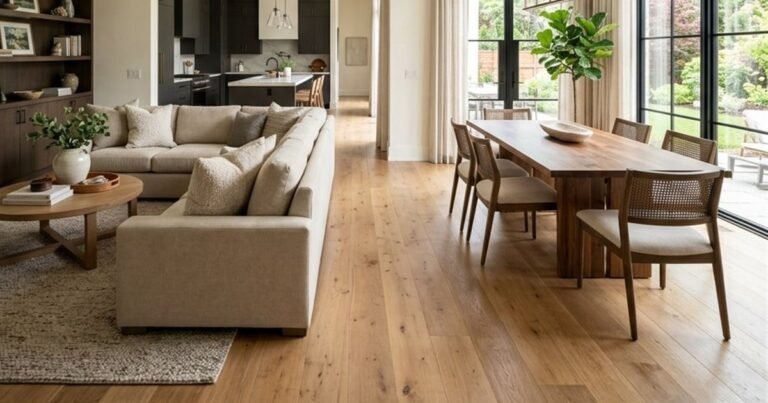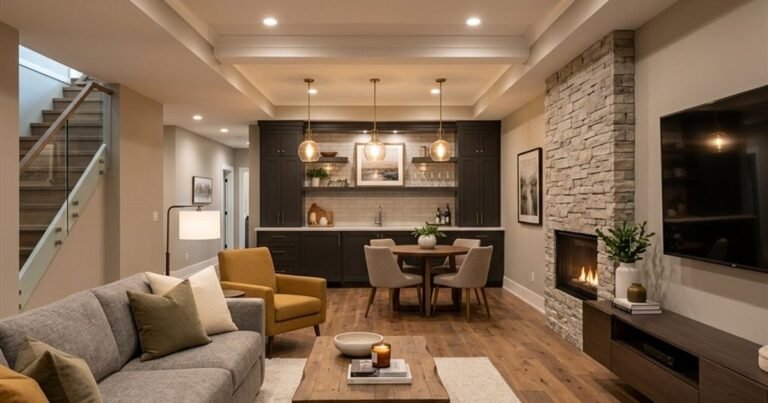
A luxury basement renovation Etobicoke homeowners imagine is less about adding expensive materials and more about solving the problems that make basements feel like basements: low ceilings, cool floors, poor light and sound that travels. When those are solved properly, a lower level can feel like the best floor in the house. Here is how the premium features work, what to think about before choosing them, and where the budget really goes.
Start with the envelope, because luxury hides in what you cannot see
The finishes people notice only look good if the walls, floor and ceiling underneath are right. Moisture control comes first. Any water entry has to be resolved before anything else, followed by proper insulation, a vapour management strategy and a subfloor system that keeps flooring warm and dry. Premium basements in older Etobicoke homes often depend on this invisible layer, since many houses here were built when basements were storage and laundry space, not living areas.
Then look at ceiling height. Every beam, duct and drain line competes with the headroom you need for a coffered ceiling, built-in lighting or a bulkhead. If height is limited, discuss underpinning or rerouting services early. As a typical range, underpinning alone adds roughly $30,000-$75,000. Our page on basement renovation in Etobicoke explains how we approach height and layout.
The media room
A true home theatre needs sound isolation, not just a big screen. Insulation in the walls and ceiling, resilient channels or a second layer of drywall, solid-core doors with seals and attention to gaps around ducts all cut noise transfer to the rooms above. Position the screen wall away from the mechanical room, and plan speaker wiring, a dedicated equipment closet with ventilation, and blackout control before drywall goes up. Run conduit for future upgrades, because technology changes faster than walls do.
Lighting should be layered and dimmable: recessed fixtures with fine control, low-level step lighting, and a few warm accent sources. Avoid putting pot lights directly over the screen or the seating zone.
Wet bar and entertaining zone
A wet bar needs water, a drain and ventilation, and the drain is the constraint. Below the slab, drains are expensive to add. Position the bar near existing plumbing if you can, or plan for a pump system if you cannot, and discuss that early. Include a dedicated circuit for refrigeration and any ice maker or dishwasher drawer, and put outlets at the counter height required by the electrical code for the use. Choose counters and cabinet finishes that tolerate moisture and spills.
If you plan to include a full kitchen, you are moving closer to a secondary suite, and a different set of rules applies. Confirm requirements with the City of Toronto and the Ontario Building Code before designing.
Wine room and storage
A true wine room is a controlled space. It needs insulated walls, a vapour barrier on the warm side, a sealed door and a purpose-built cooling unit sized to the room, not a regular air conditioner. Glass walls look beautiful but lose temperature quickly unless the glass is insulated. Skip hardwood racking that will absorb moisture unless it is properly finished, and make sure the unit’s exhaust has somewhere to go.
If you do not need a full cellar, a cooled cabinet or a recessed niche under the stairs gives much of the effect for far less construction.
Spa-style bathroom
A basement bathroom is where luxury and plumbing collide. A steam shower, soaker tub, curbless shower or heated floor all raise the complexity, and because the drains sit below grade, the layout may involve a pump or a slab cut. For reference, typical ranges are about $18,000-$35,000 for a main bathroom and $28,000-$55,000 for an ensuite, and a spa-level finish in a basement can push toward the top of those ranges. Every home differs. Steam rooms also demand proper vapour barriers and a dedicated exhaust path.
Radiant floor heating, either electric mats or hydronic tubing, takes the chill off tile and concrete and is one of the best-value comfort upgrades in a basement.
Acoustic ceilings, lighting and finishes
Ceilings deserve the same attention as floors. Options include acoustic panels, stretched-fabric systems, slatted wood and standard drywall with a better insulation assembly. Remember access: ducts, valves and junction boxes need to be reachable later, so build in discrete access panels. For flooring, use products designed for below-grade conditions, such as engineered planks, porcelain tile or sealed concrete, with underlayments that manage moisture and warmth.
Budget realities for a luxury basement renovation Etobicoke homeowners plan
As a typical range, a recreational basement finish costs about $35,000-$65,000. A luxury basement can exceed that range, and we are straightforward about it: custom millwork, specialty systems, premium materials and structural changes all add up. The best way to control cost is to choose two or three signature features and do them well, rather than spreading the budget thin across ten. Our basement renovation cost guide and general basement renovation page explain what drives the number.
Frequently Asked Questions
Does a high-end basement need a permit?
Often yes, particularly for new bathrooms, structural work or anything that affects plumbing and electrical systems. Confirm with the City of Toronto.
Is heated flooring practical in a basement?
Yes. Electric systems are simpler to retrofit, while hydronic systems integrate with a boiler and suit larger areas.
Can a home theatre be added later?
You can, but wiring, sound insulation and ceiling details are much easier before drywall. Plan the infrastructure now even if you install equipment later.
What is the biggest mistake with luxury basements?
Spending on finishes before fixing moisture and ceiling issues. Premium surfaces on a damp or cramped base disappoint quickly.
If a luxury basement renovation Etobicoke homeowners picture is on your list, start with a conversation about what the space can support. Call us at 647-914-2150 or book a free site visit. GoGajic Construction, 131 Minerva Ave, Toronto, will measure, assess and help you spend where it counts.